
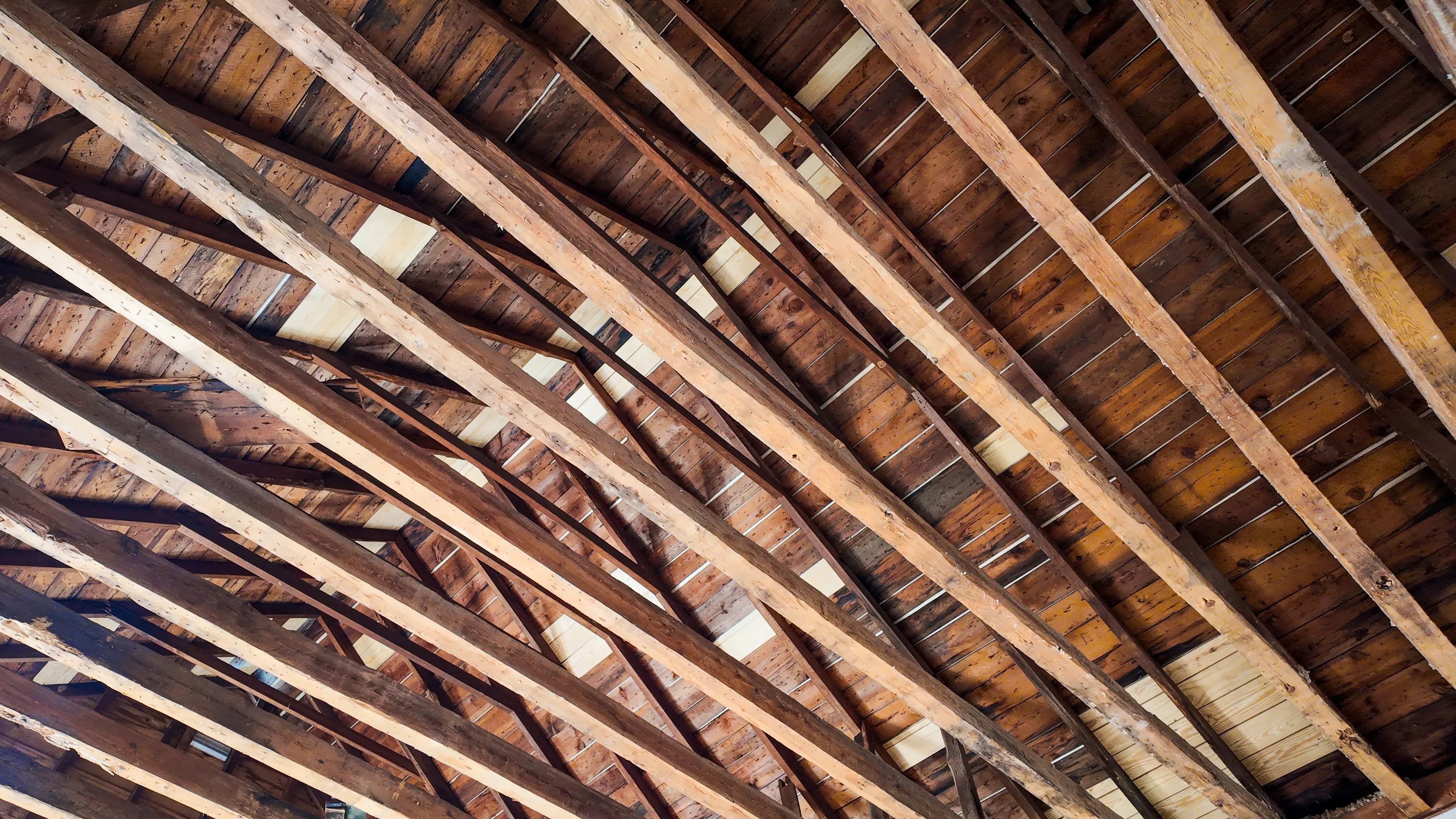
These historic jobs have so much character, and you get to put a little bit of your blood, sweat and tears into something that’s going to last another 50 to 100 years before it needs more attention.
.svg)


The transformation of the former Slate Hill Baptist Church into the Monticello Inn & Cottage stands as a remarkable example of adaptive reuse and historic preservation in Albemarle County, Virginia. This project, led by Luke Roark, owner of Commonwealth Contractors, was the centerpiece of the Albemarle Charlottesville Historical Society’s recent Historic Preservation Lecture. The event brought together preservationists, community members, and industry professionals to explore the challenges and triumphs of breathing new life into a cherished local landmark.
The Vision: From Historic Church to Boutique Lodging Destination
Preserving Community Heritage Through Adaptive Reuse
The Monticello Inn & Cottage project is more than a renovation; it is a thoughtful reimagining of a building with deep roots in the community. Originally constructed in the 1830s as a meeting house and later serving as the Slate Hill Baptist Church, the structure is now being adapted into a boutique lodging destination. The project includes guest suites, shared gathering spaces, new cottages, and site improvements that support long-term hospitality use.
This approach ensures that the building remains a living part of the community, rather than fading into disrepair. The project’s vision, spearheaded by developer Mary Crombie and realized by Commonwealth Contractors, is to create a destination that honors the past while serving the needs of today’s visitors and residents.
Collaboration and Community Involvement
The success of the Monticello Inn & Cottage is rooted in collaboration. The project brought together architects, engineers, preservation consultants, and the Virginia Department of Historic Resources. Local organizations such as the Albemarle Charlottesville Historical Society and Preservation Piedmont played key roles in advocacy and education, highlighting the broader ecosystem required for successful preservation.
This collective effort underscores the importance of historic preservation as a driver of cultural identity, economic vitality, and community pride in Central Virginia.
Project Highlights: Challenges, Discoveries, and Solutions
Uncovering the Building’s Layered History
One of the most compelling aspects of the project was the discovery of the building’s layered history. As work began, the team uncovered original hand-hewn timbers, heart pine flooring, and beadboard walls hidden behind later additions and finishes. These elements told the story of a structure that had evolved over nearly two centuries, reflecting changes in use, ownership, and architectural style.
Rather than attempting to restore the building to a single historical moment, the team focused on preserving the features that most authentically conveyed its story. This philosophy guided decisions throughout the project, from structural repairs to interior finishes.
Structural Surprises and Engineering Solutions
Historic renovations often reveal unexpected challenges, and the Monticello Inn & Cottage was no exception. Upon removing the flooring, the team discovered that much of the building lacked a proper foundation. Instead, makeshift supports such as stacked slate and brick piles had been used over the years, compromising the building’s stability.
To address these issues, Commonwealth Contractors worked closely with structural engineers to design and install new concrete footers and piers. As much of the original joist system as possible was cataloged, preserved, and reinstalled, while severely damaged sections were replaced. This careful balance of preservation and modernization ensured the building’s long-term stability without sacrificing its historic character.
Key Structural Interventions Included:
- Installation of new concrete footers and piers throughout the building to replace inadequate historic supports.
- Preservation and reassembly of original rounded timber joists where feasible, with replacements for sections compromised by rot or termites.
- Addition of engineered LVL beams and new joist work to reinforce the structure while maintaining as much original material as possible.
- Perimeter flashing and crawlspace improvements to address moisture issues and protect wood elements from future deterioration.
Modern Performance Meets Historic Integrity
A major challenge in the project was upgrading the building’s energy performance while preserving its historic features. When the drop ceiling was removed, the original roof structure was revealed, offering visual drama but complicating insulation strategies. The solution was to insulate from above, using foam insulation on the exterior side of the roof deck. This allowed the original decking and framing to remain visible inside, balancing energy efficiency with preservation requirements.
Similarly, the team salvaged approximately 60% of the original heart pine flooring, supplementing it with new material where necessary. Original beadboard walls were retained wherever possible, maintaining the building’s authentic texture and character.
Designing for Hospitality: Blending Old and New
Reimagining Interior Spaces for Modern Use
Transforming a 19th-century church into a boutique inn required creative solutions to meet modern hospitality standards. The main sanctuary, once the heart of the church, is being preserved as a large communal space for guests. Rather than subdividing it, the design maintains its open volume, with new features such as a bar, built-in seating, and direct service from the adjoining commercial kitchen.
Behind the sanctuary, former Sunday school rooms and additions have been converted into individual guest suites, each with private bathrooms and modern amenities. Significant plumbing and drainage upgrades were required to support these new uses, with careful attention paid to minimizing disruption to historic materials.
Commercial Kitchen and Code Compliance
Adding a commercial kitchen to a historic building introduced another layer of complexity. The kitchen required a 12-foot commercial hood and fire-rated separations, triggering commercial code requirements. Commonwealth Contractors worked closely with county officials to ensure compliance, balancing safety with preservation.
- Fireproofing and robust finishes were installed in the kitchen area to meet code.
- Sound insulation was added to interior walls for guest comfort.
- New HVAC systems were integrated to provide climate control for each suite and the communal areas.
Site Improvements and Sustainable Land Use
The project extends beyond the main building, with a comprehensive site plan that includes three new cottages, a duplex rental building, improved parking, and advanced water management strategies. Sustainability is a core value, reflected in features such as rainwater harvesting, native plantings, berms, swales, and plans for a future retention pond.
These improvements not only enhance the guest experience but also demonstrate a commitment to responsible land stewardship and environmental resilience.
Financial Realities and the Value of Preservation
Budgeting for the Unexpected
Historic preservation projects are inherently unpredictable. The Monticello Inn & Cottage began with a target budget of $1.7 million, but unforeseen structural issues and necessary upgrades resulted in change orders totaling approximately $250,000. Luke Roark emphasized that such variability is typical in historic work, where hidden conditions and evolving code requirements can quickly alter project scope.
The key to success lies in having a client and team who understand these risks and are committed to making the right decisions for the building’s long-term health and value.
Economic and Community Impact
Beyond the construction budget, the project delivers significant benefits to the local economy and community. By preserving a historic structure and creating much-needed lodging near area vineyards and attractions, the Monticello Inn & Cottage supports tourism, job creation, and the ongoing vitality of Albemarle County’s rural landscape.
The project also serves as a model for how private investment, public policy (such as historic tax credits), and community engagement can work together to achieve preservation goals.
Honoring the Past: Interpretation and Memory
Celebrating the Building’s Church Heritage
A central theme of the project is respect for the building’s origins as a place of worship and community gathering. The property’s cemetery remains an important feature, and former congregation members have been involved in the transition. Plans include historic signage, framed materials, and interpretive displays to educate guests about the site’s history.
Original church pews are being repurposed as seating in the sanctuary, and the large Slate Hill Baptist Church sign will be displayed inside, preserving its legacy even after deconsecration.
Leveraging Technology for Preservation
Commonwealth Contractors utilized advanced scanning technology to document the building before and during rehabilitation. These digital records capture the layout, framing, and hidden systems, providing a valuable resource for future owners, researchers, and preservationists. This approach demonstrates how modern tools can enhance, rather than compete with, traditional preservation methods.
Why the Monticello Inn & Cottage Project Matters
A Model for Adaptive Reuse in Virginia
The Monticello Inn & Cottage exemplifies the potential of adaptive reuse to revitalize historic structures while meeting contemporary needs. It preserves a significant piece of Albemarle County’s heritage, addresses a hospitality gap in a region known for tourism, and sets a high standard for craftsmanship, sustainability, and community engagement.
For homeowners, preservation advocates, and anyone considering a luxury renovation or new build in Virginia, this project offers valuable lessons in balancing history, function, and design.
Carrying Local Stories Forward
At its core, the project is about more than bricks and mortar. It is about honoring memory, fostering community, and ensuring that the stories embedded in historic buildings continue to inspire future generations. The Monticello Inn & Cottage stands as a testament to what is possible when vision, expertise, and commitment come together in service of preservation.
Partner with Commonwealth Contractors for Your Next Project
If you are inspired by the Monticello Inn & Cottage and are considering a luxury renovation, historic restoration, or custom home build in Virginia, Commonwealth Contractors is your trusted partner. As a locally owned and operated firm with deep expertise in both modern construction and historic preservation, we deliver projects that blend timeless craftsmanship with innovative solutions.
Our team is dedicated to honoring your vision, respecting the character of your property, and ensuring every detail meets the highest standards of quality and sustainability. Whether you are restoring a historic home, building a new residence, or planning a high-end renovation, we invite you to contact Commonwealth Contractors today to discuss your project and discover how we can help bring your dreams to life.

.webp)
.webp)
.webp)


.webp)
.webp)

.webp)
%2520(1).webp)
%2520(2).webp)


.webp)
.webp)
.webp)
%2520(1).webp)
%2520(3)%2520(1).webp)
%2520(1)%2520(1).webp)
.webp)
%2520(1).webp)
%2520(2)%2520(1).webp)